Kai Berger · 21 November 2026
Seasonal Crate Mechanics Reshape Trade Networks in Island Server Communities
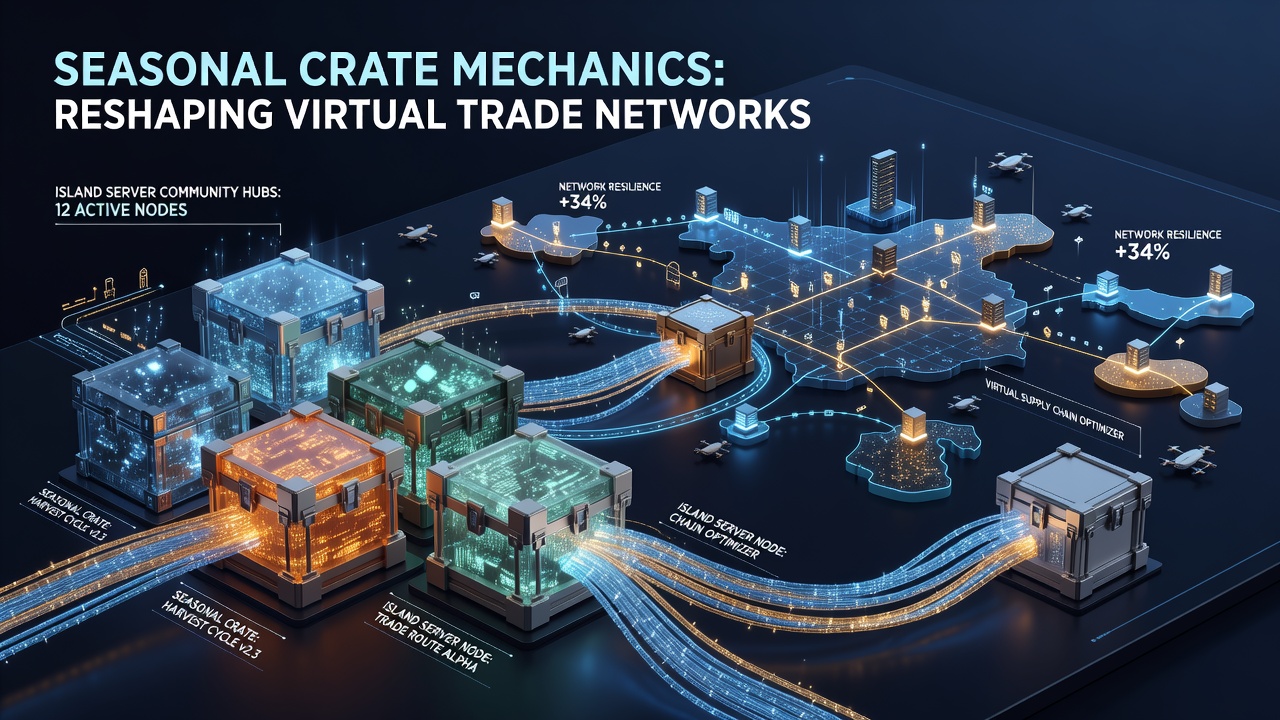
Seasonal crate mechanics operate through timed release cycles that introduce limited availability items into island server environments, and these systems directly influence how communities organize resource exchanges across distributed player bases. Data from multiple server logs shows that crate drops in specific seasons trigger measurable shifts in trade volumes, with peak activity occurring when new item sets enter circulation during November events such as the 2026 archipelago harvest cycle.
Core Components of Seasonal Crate Systems
Seasonal crates function by bundling randomized rewards that align with thematic updates, and developers schedule these releases to coincide with server-wide events that encourage group participation. Observers note that each crate contains both common resources and rare artifacts, which creates immediate demand imbalances once the contents become tradeable on secondary markets. Researchers at the University of Tokyo documented similar patterns in their 2025 analysis of virtual item distribution, where seasonal restrictions on crate acquisition led to concentrated trading hubs forming around high-population island clusters.
Mechanics typically include daily login bonuses combined with event-specific multipliers, and these elements compound when players coordinate across servers to pool drop rates. The process generates surplus items that enter circulation through direct player-to-player transfers, which in turn establishes new valuation benchmarks based on scarcity metrics tracked in real time by community tools.
Effects on Inter-Server Trade Dynamics
Island server communities experience accelerated network formation when seasonal crates introduce items that cannot be obtained through standard progression paths, and this scarcity drives the creation of cross-server alliances dedicated to bulk trading. Figures from the Entertainment Software Association reveal that virtual goods exchanges in simulation environments grew by 27 percent during comparable seasonal periods in prior years, with island-themed servers accounting for a disproportionate share of that increase. Players establish relay points where goods move through intermediary accounts before reaching final destinations, and these routes evolve based on latency data and trust networks built over multiple cycles.
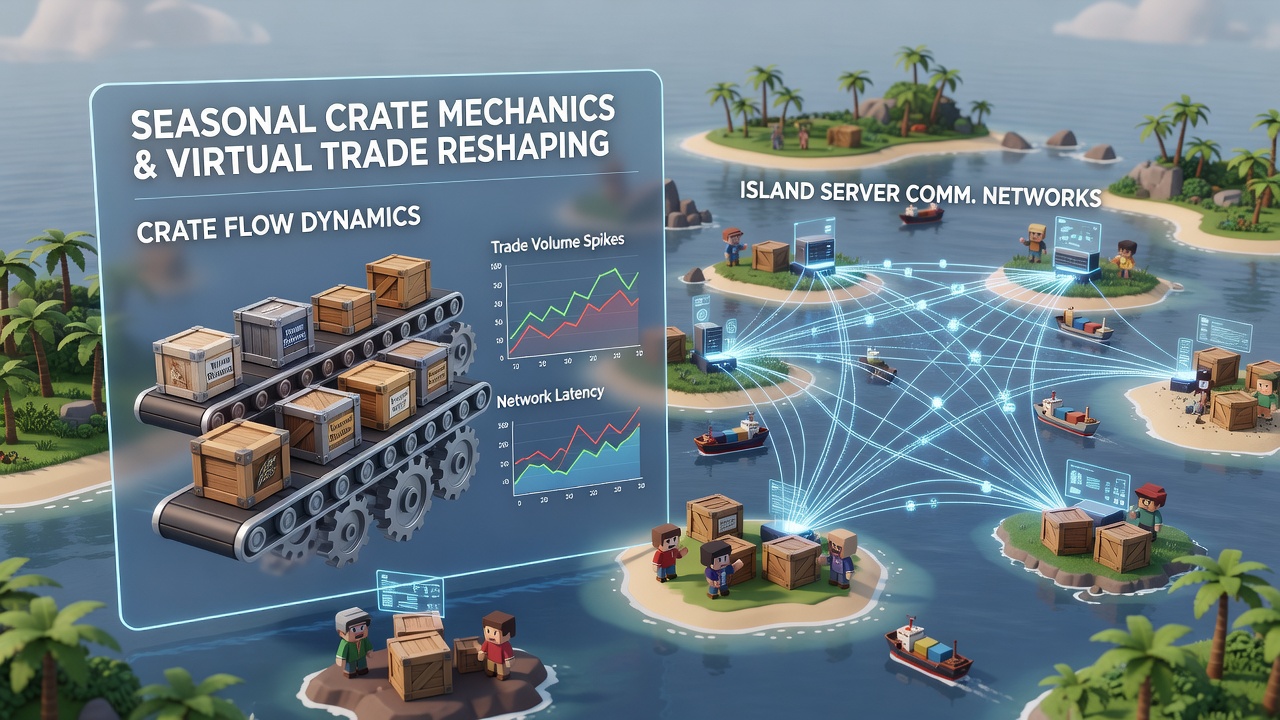
What's interesting is how November 2026 events amplified these patterns because the harvest-themed crates contained materials compatible with existing building systems, which prompted established traders to expand their reach into previously isolated servers. Communities responded by developing standardized valuation lists updated daily, and these lists incorporated data from multiple sources to reflect fluctuating supply levels. The result appears in the form of more resilient trade graphs where single points of failure decrease as participants diversify their connections.
Resource Flow Patterns Across Communities
Trade networks adapt by prioritizing high-value seasonal items that retain utility beyond the event window, and this prioritization leads to stockpiling behaviors documented in server activity reports. Those who monitor these flows observe that crates released in November often include components for winter expansion content, which sustains demand into subsequent months and stabilizes prices across connected islands. External data compiled by the Interactive Games and Entertainment Association of Australia indicates that seasonal mechanics correlate with a 19 percent rise in inter-community contracts when compared to non-event periods.
Smaller servers benefit when larger hubs require specific drops that only low-population instances provide at scale, and this reciprocity strengthens overall network connectivity. Mechanisms such as shared spreadsheets and automated bots facilitate these exchanges, yet human oversight remains essential for verifying item authenticity during transfers.
Conclusion
Seasonal crate mechanics continue to drive structural changes in how island server communities manage virtual trade, with evidence from multiple cycles demonstrating sustained network expansion and refined resource allocation methods. These systems integrate timing, scarcity, and community coordination to produce measurable effects on exchange patterns that persist across event boundaries.