Theo Keller · 24 October 2026
Resource Flow Dynamics in Multiplayer Container Events Within Expansive Virtual Island Worlds
Resource flow dynamics in multiplayer container events shape how materials, currencies, and items circulate through large-scale virtual island environments where thousands of players interact simultaneously. Container events function as timed mechanics that release batches of resources through randomized or sequenced openings, and these systems create measurable patterns in supply, demand, and redistribution across connected player economies.
Researchers tracking server logs from major island simulation titles have documented how container spawns trigger rapid shifts in local resource availability, with high-traffic zones experiencing temporary surpluses that dissipate within hours as players trade or consume the contents. Data from industry monitoring platforms shows these events often align with seasonal updates, including scheduled expansions planned for October 2026 that introduce new container types tied to seasonal biomes.
Mechanics of Container Activation and Initial Distribution
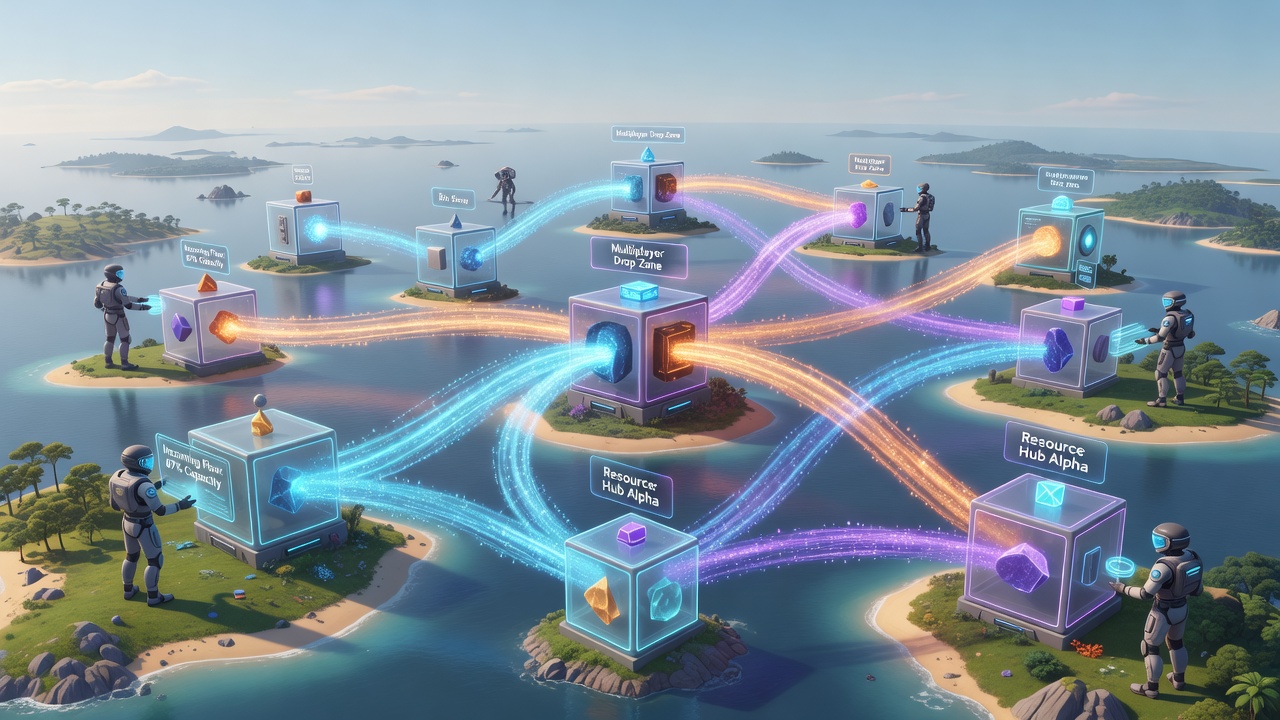
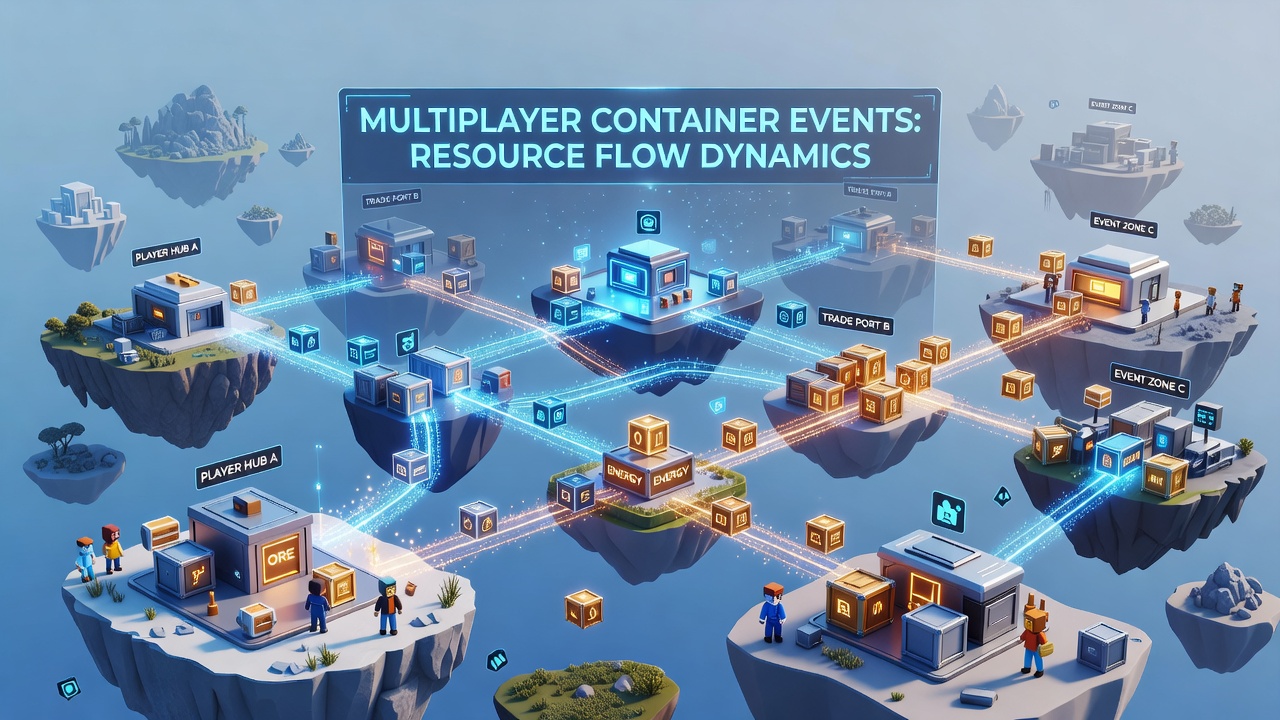
Container activation begins when event timers reach zero and server-side scripts generate instances across island maps, each holding variable quantities of wood, ore, food staples, and rare crafting components. Players who reach these sites first extract contents directly, while late arrivals rely on secondary markets or cooperative pooling systems that form in real time. Observers note that activation clusters frequently occur near central hubs, creating predictable flow corridors where resources move outward toward peripheral player bases through direct transfers and auction house listings.
Studies of event cycles indicate that container rarity tiers influence distribution speed, with common containers producing steady low-value resource streams and legendary variants generating concentrated spikes that affect pricing across entire server economies for days afterward. Those who monitor transaction histories find that initial extractions account for roughly sixty percent of total resource movement, after which trading networks take over the remaining circulation.
Multiplayer Interactions Shaping Resource Pathways
Multiplayer dynamics introduce layers of cooperation and competition that alter standard resource flow. Alliances coordinate container claims through shared maps and voice channels, channeling extracted materials into communal stockpiles that support collective building projects or defense upgrades. Independent players, by contrast, often sell contents immediately on in-game marketplaces, accelerating the spread of resources into dispersed inventories across distant islands.
What's notable is how event overlap with daily login bonuses modifies participation rates, leading to higher simultaneous container interactions during peak hours. Figures from platform analytics reveal that servers hosting events in October 2026 will incorporate cross-region matchmaking to balance these flows, reducing the concentration of high-value items within single geographic player clusters.
Tracking Circulation Through Economic Metrics
Economic tracking tools embedded in these virtual worlds record every transfer, consumption, and storage action, allowing researchers to map resource velocity over successive event cycles. Average circulation time for container-derived materials ranges from forty minutes in active trading zones to several days in isolated player settlements, according to aggregated telemetry shared by development studios.
Industry reports compiled by the Entertainment Software Association highlight how container events contribute measurable portions of overall in-game gross domestic product, with resource turnover rates rising sharply during multi-week campaigns. Similar observations appear in analyses published through European digital entertainment research networks, which document comparable patterns in region-specific island simulations.
Resource sinks such as crafting stations, building upgrades, and event-specific consumables counteract unlimited accumulation, maintaining equilibrium even when container yields exceed baseline expectations. Players who participate in repeated cycles demonstrate learned behaviors that optimize extraction timing and resale windows, further refining the efficiency of overall flow networks.
Environmental and Spatial Factors in Flow Patterns
Island geography directly constrains how resources travel after container events conclude. Narrow straits and mountainous terrain limit direct player travel, forcing reliance on ferry systems or portal networks that add latency to transfers. Coastal containers therefore feed into maritime trade routes more rapidly than inland variants, creating visible gradients in material density that persist until subsequent events reset the distribution map.
Server architecture influences these spatial dynamics as well, with sharded instances sometimes isolating resource pools until merge events occur. Data collected during prior cycles shows that merged servers experience accelerated equalization of container-derived goods within the first seventy-two hours following reconnection.
Conclusion
Resource flow dynamics within multiplayer container events represent a complex interplay of programmed mechanics, player agency, and spatial constraints that together determine material movement across expansive virtual island worlds. Continued observation of these systems, particularly ahead of the October 2026 content cycle, provides clearer insight into how container-driven economies sustain long-term engagement and balance across large player populations.