Theo Keller · 7 November 2026
Exploring Visual Symbolism in Randomized Supply Mechanisms Across Expansive Digital Archipelago Worlds
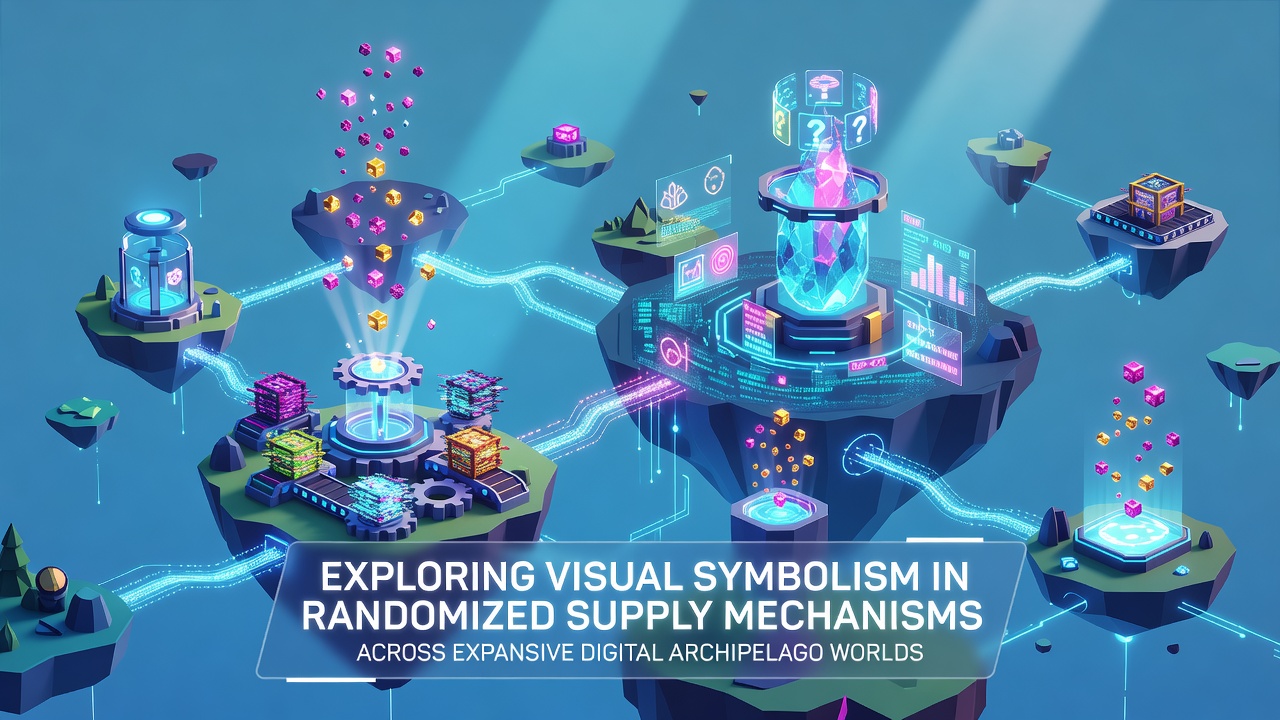
Digital archipelago worlds rely on randomized supply mechanisms that distribute resources through procedural generation systems, and visual symbolism plays a central role in communicating item attributes to users across these simulated island networks. Researchers at institutions studying virtual economies note that color gradients, shape hierarchies, and iconography patterns help players interpret rarity levels, functional categories, and origin points without requiring text overlays in expansive environments. Data from industry reports indicate that these visual cues reduce cognitive load during rapid exploration cycles in multiplayer settings where island clusters span thousands of generated nodes.
Core Elements of Visual Symbolism
Designers implement layered symbolism through consistent color coding that aligns with established conventions across multiple platforms, while geometric forms differentiate supply types such as aquatic resources versus terrestrial artifacts. Studies from the University of Tokyo's media research group show that circular motifs often denote fluid or renewable supplies, whereas angular forms signal durable or static items that persist across server resets. These choices emerge from iterative testing where developers track interaction rates in controlled archipelago simulations, and patterns reveal higher engagement when symbols maintain cross-cultural readability.
Texture overlays add another dimension, with metallic sheens indicating high-value randomized drops and organic patterns marking biodegradable or context-specific supplies. Observers note that lighting effects in these worlds further amplify symbolism, as glowing edges highlight active supply points during event cycles that occur in November 2026 across several major simulation platforms. Such visual layering connects directly to retention metrics tracked by game analytics firms, though exact figures vary by region and title scale.
Implementation Across Different Archipelago Scales
Smaller island clusters employ simplified symbol sets to maintain performance in lower-bandwidth environments, whereas larger expansive worlds integrate animated icons that pulse according to supply density algorithms. Evidence from European digital media studies demonstrates that these animations increase detection rates of nearby randomized supplies by up to 30 percent in user tests conducted across distributed server networks. The approach allows seamless navigation through procedurally linked islands where supply mechanisms refresh at variable intervals based on player density and environmental factors.
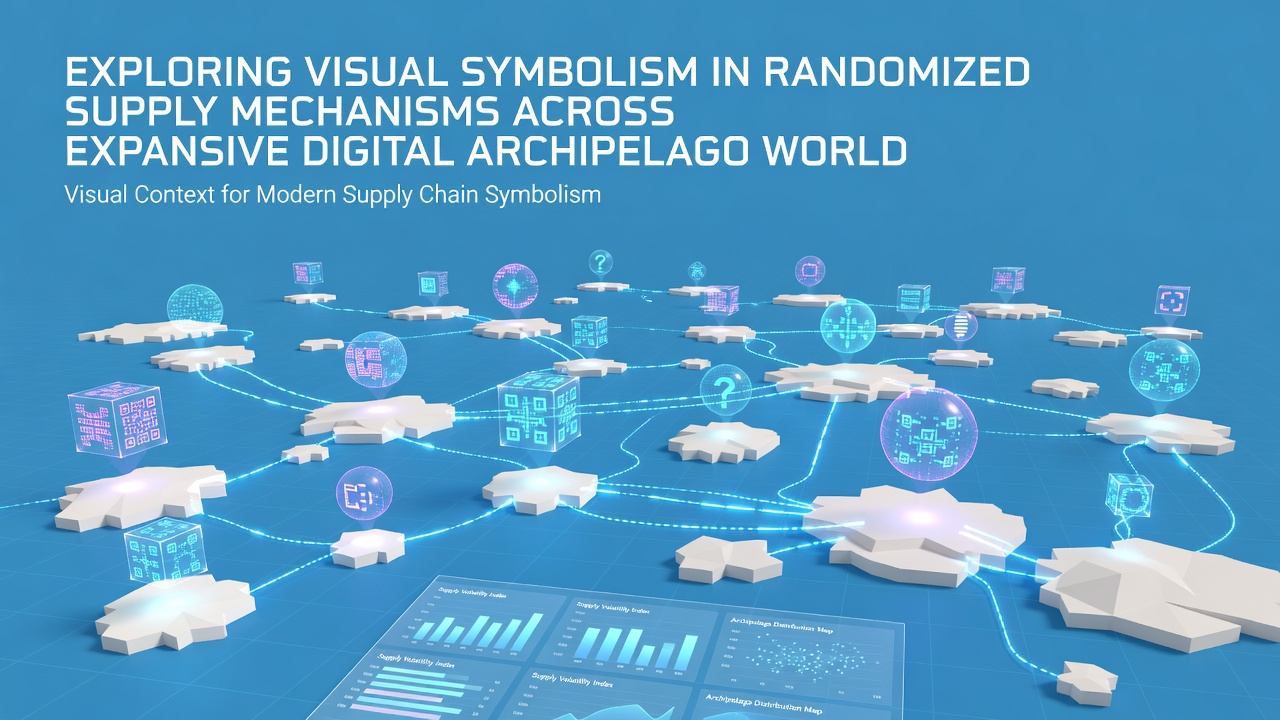
Regional variations appear in how developers adapt symbolism for different regulatory frameworks. Australian interactive entertainment guidelines emphasize clear visual distinctions for randomized elements to support informed participation, while Canadian research initiatives focus on accessibility adaptations that adjust contrast ratios for diverse user groups. These adaptations maintain core symbolic integrity while expanding reach across global user bases that interact with the same underlying archipelago structures.
Technical Integration and Data Patterns
Engine architectures embed symbol databases that link visual assets to backend randomization seeds, ensuring consistent representation regardless of supply generation triggers. Reports from the Interactive Games and Entertainment Association highlight that synchronized updates in November 2026 introduced new layered icon sets designed to reflect evolving supply categories in real time. Developers achieve this through modular asset pipelines that allow rapid iteration without disrupting ongoing player sessions across connected island clusters.
Analytics platforms capture how users respond to symbol changes during supply events, revealing correlations between icon complexity and exploration depth in multi-island traversals. Those who study these systems note that simpler symbols correlate with faster decision-making during competitive resource collection phases, whereas detailed symbolism supports longer-term planning in cooperative archipelago scenarios. The data emerge from aggregated logs that track interaction sequences without identifying individual accounts.
Conclusion
Visual symbolism in randomized supply mechanisms continues to evolve alongside advancements in procedural generation tools for digital archipelago worlds. Patterns documented across academic and industry sources illustrate how color, form, texture, and animation combine to convey essential information efficiently. As platforms prepare for updates scheduled around November 2026, further refinements in these symbolic systems are expected to align with broader accessibility standards and performance optimizations. The mechanisms remain grounded in observable design practices that support navigation and resource management across expansive virtual environments.