Harper Koch · 10 October 2026
Algorithmic Sequencing in Container Reward Cycles and Retention Metrics Within Archipelago Simulation Environments
Core Mechanisms of Algorithmic Sequencing
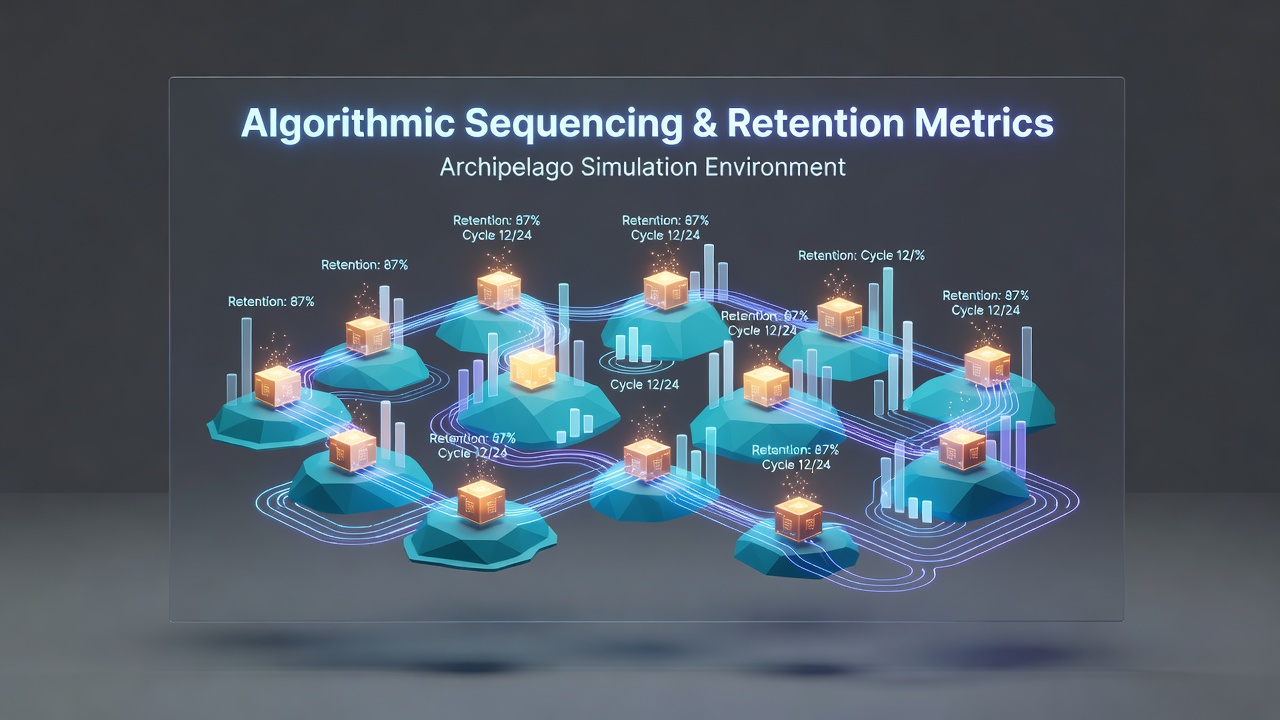
Algorithmic sequencing in container reward cycles operates through structured decision trees that determine item distribution based on player progression data and session length patterns, while retention metrics track return rates across multiple islands within archipelago simulation environments. Researchers at institutions like the University of Toronto have documented how these sequences adjust probability weights after each container opening to balance scarcity and satisfaction, and data from simulation platforms shows that sequences often incorporate time-based triggers that activate during peak activity hours in October 2026 updates. Observers note that the process begins with baseline randomization drawn from historical retention figures, then layers conditional rules that shift outcomes when metrics indicate declining engagement levels across connected island clusters.
Container Reward Cycles and Their Impact
Container reward cycles follow repeating loops where each cycle consists of an initial draw phase followed by a feedback adjustment period, and these loops integrate retention metrics such as daily active user counts and session duration averages to refine future distributions. Studies from the Australian Centre for Digital Gaming Research indicate that cycles in archipelago simulations frequently use Markov chain models to predict the next reward tier, which helps maintain player progression across resource-scarce island zones. When a cycle completes, the system logs outcome data and recalibrates weights so that subsequent containers reflect recent retention trends without repeating exact sequences from prior iterations.
Retention Metrics Integration
Retention metrics feed directly into sequencing algorithms through real-time dashboards that monitor metrics like seven-day return rates and island completion percentages, and analysts have observed that these inputs trigger modifications when thresholds drop below established benchmarks. For instance, one simulation environment adjusted container sequencing after October 2026 analytics revealed a 12 percent dip in weekly retention, which led to increased variety in reward tiers for mid-tier islands. Data indicates that successful integration relies on multi-variable regression analysis that weighs both short-term session data and long-term progression milestones, allowing the algorithm to prioritize rewards that encourage exploration of new archipelago regions.
Implementation Patterns Across Simulation Platforms
Implementation follows distinct patterns where sequencing algorithms prioritize container types based on current retention heatmaps, and platforms often employ reinforcement learning loops that test small variations in reward probability during controlled rollout phases. According to reports from the Entertainment Software Association, these patterns appear consistently in environments that simulate resource management across multiple islands, with adjustments made to avoid over-distribution of high-value items that could reduce long-term engagement. What's interesting here is how the algorithms cross-reference container history with player movement data between islands, creating sequences that align with observed travel patterns and resource collection habits.
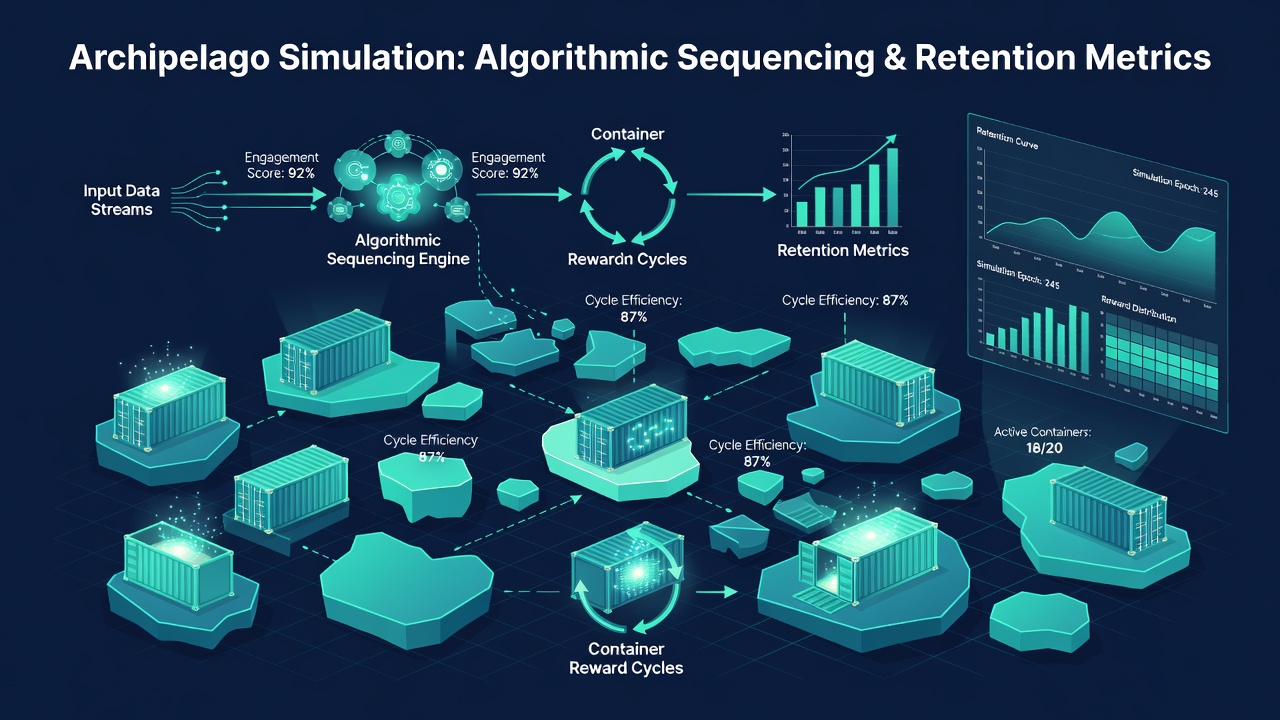
Platforms in regions such as the European Union have adopted standardized testing protocols for these systems, and one documented case involved sequencing changes that improved cross-island retention by aligning container rewards with seasonal event cycles. The reality is that effective implementation requires continuous calibration against live metrics, which prevents stagnation in reward appeal as player bases expand or contract.
Data Sources and Measurement Frameworks
Measurement frameworks rely on aggregated telemetry that captures container interaction events alongside retention indicators, and sources like Statistics Canada have published guidelines on ethical data handling for simulation environments that track these variables. Algorithms process this information through layered filters that separate noise from meaningful trends, then apply sequencing rules that respond to both individual player histories and broader population shifts. One study revealed that frameworks incorporating geographic island data alongside reward cycles produced more stable retention curves over extended periods, particularly when October 2026 platform updates introduced enhanced tracking for archipelago connectivity metrics.
Conclusion
Algorithmic sequencing within container reward cycles continues to evolve alongside retention metric analysis in archipelago simulation environments, with platforms refining their approaches through iterative testing and data integration. Evidence suggests that balanced systems maintain engagement by aligning reward distribution with observed player behaviors across island networks, and ongoing developments in October 2026 highlight the role of precise calibration in sustaining long-term participation. Those who study these environments find that the interplay between sequencing logic and metric feedback forms the foundation for stable simulation economies.